

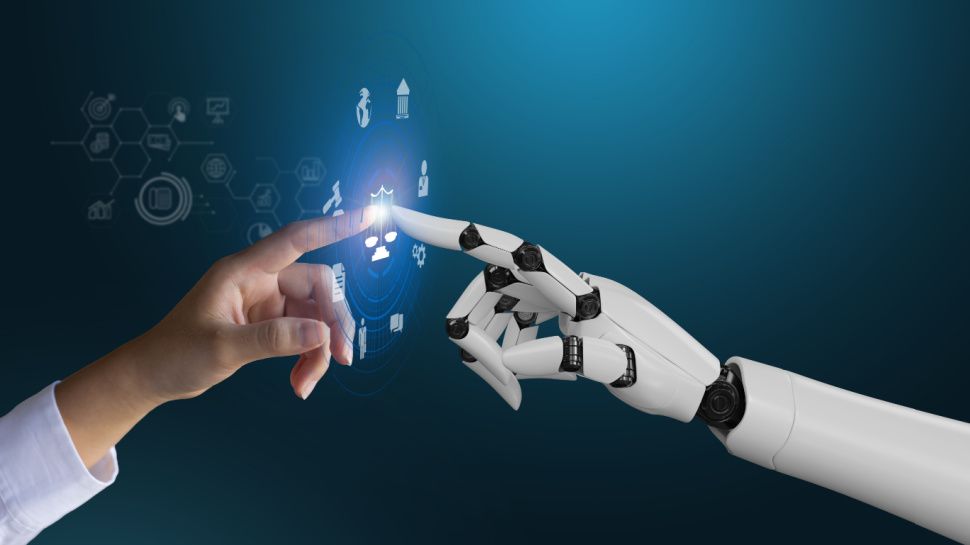

The U.S. Patent Office has formally updated how it treats inventions created with the help of artificial intelligence. Under the new guidance, AI tools — whether generative models, design helpers, or other smart assistants — are treated like any other tool (e.g. lab equipment or software). They can support innovation, but only a real human being can be named as the inventor on a patent.
That means if you use an AI to brainstorm ideas, generate designs, or draft prototypes, it doesn’t automatically make the AI the inventor. Instead, a human must have made a substantial, creative contribution — the kind of input that turns ideas into a complete, workable invention. Simply accepting AI-generated output or supervising an AI system isn’t enough.
For innovators, researchers, and companies, the ruling sends a clear signal: AI can help you work faster, but you still need to be behind the wheel. In practice, that means documenting how the invention came together — which parts were your original thought, which parts used AI, and how you turned raw input into a functional result. If you can show meaningful human creativity, you can still secure patent protection, even if AI played a role.
On the other hand, if the idea came entirely from AI output — without meaningful human intervention — the invention won’t qualify for a patent under current U.S. law.
In short: AI can be your assistant, but not your co-inventor. The rules reinforce that patents exist to reward human ingenuity, even in an age where machines can do a lot of the heavy lifting.