

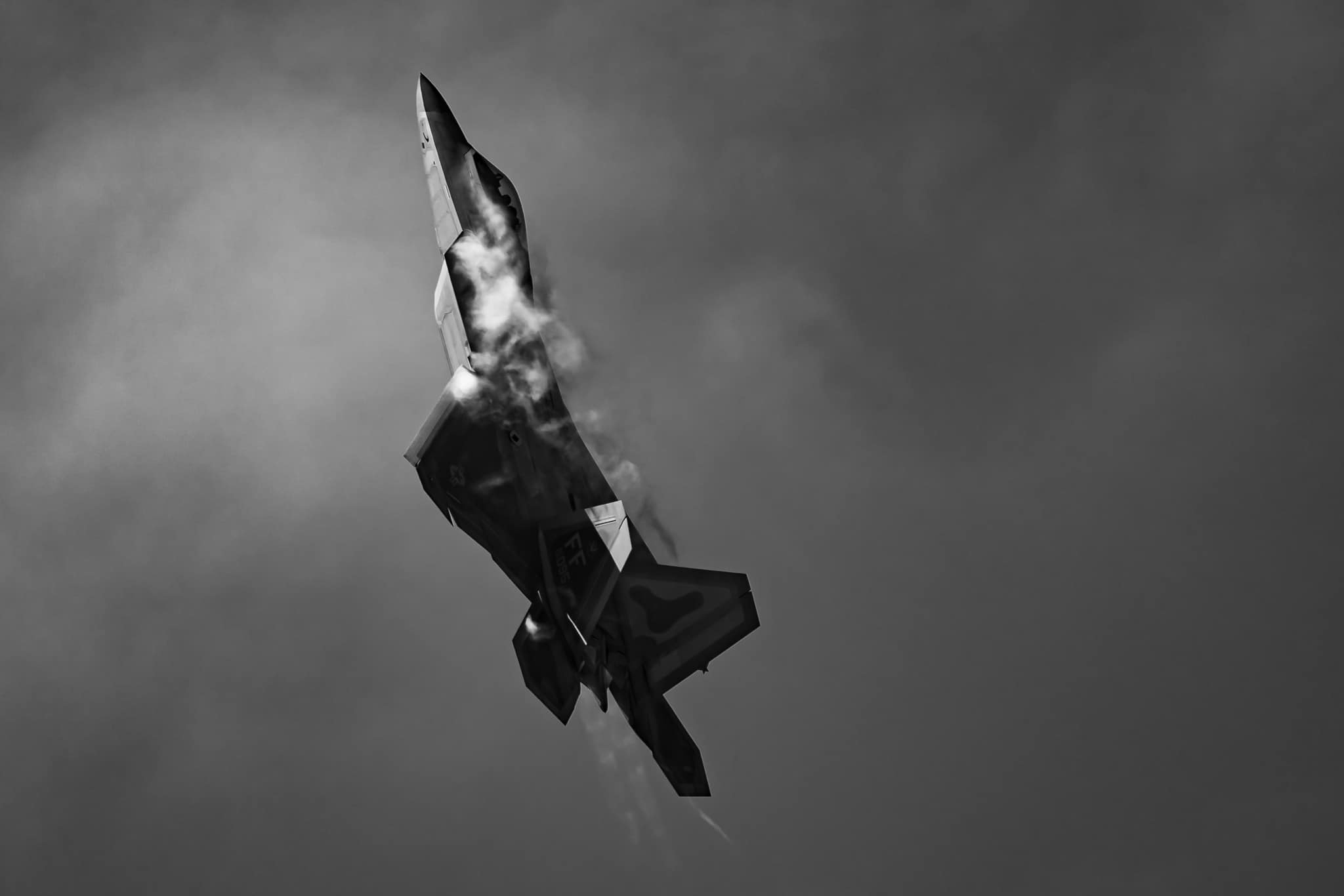

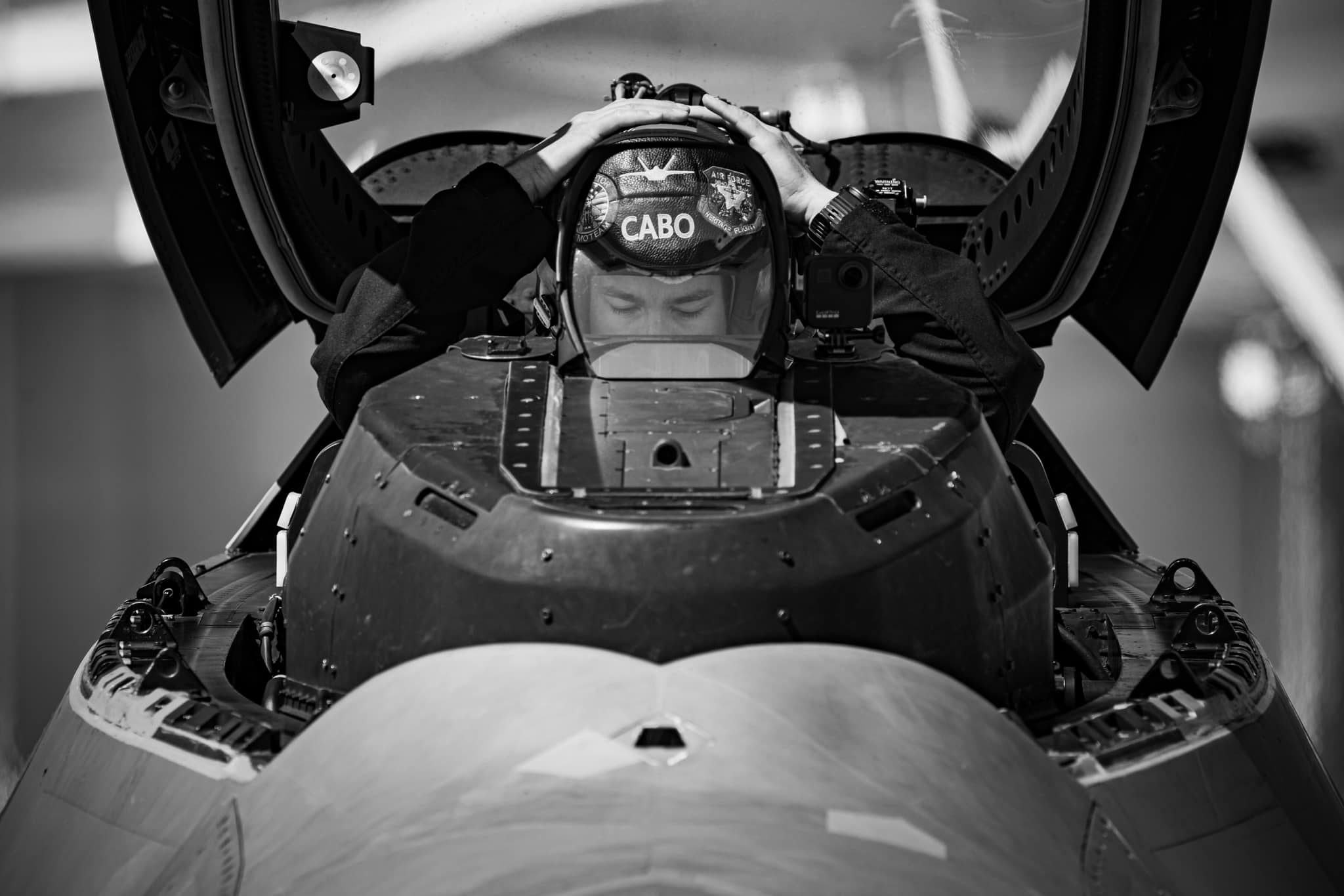
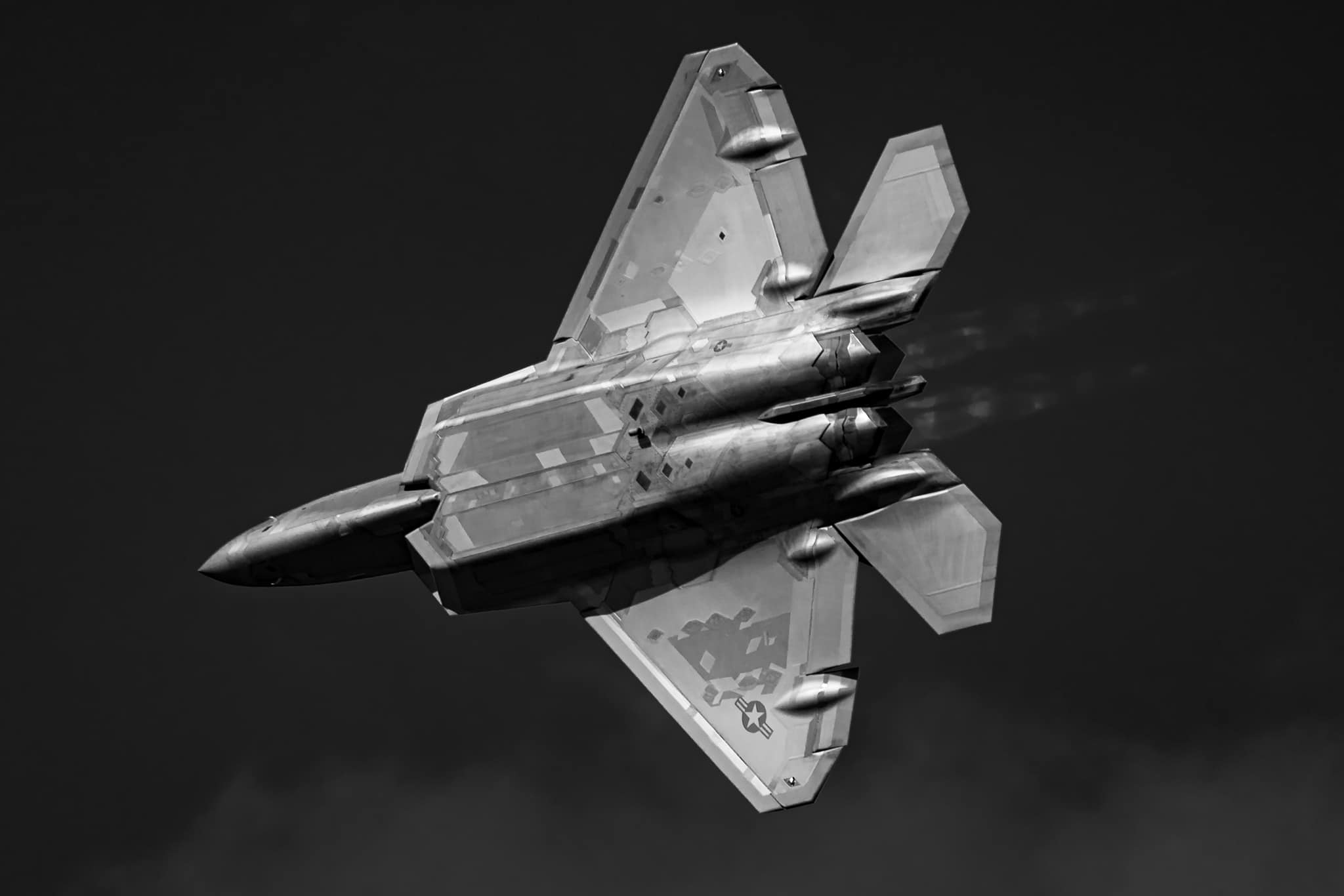
The F-22 is a fifth-generation air-dominance (and limited multirole) fighter built around a simple premise: win the information advantage early, then turn that into a first-shot opportunity. Stealth and integrated avionics are not “magic”—they are tools designed to reduce detection and compress the opponent’s reaction time.
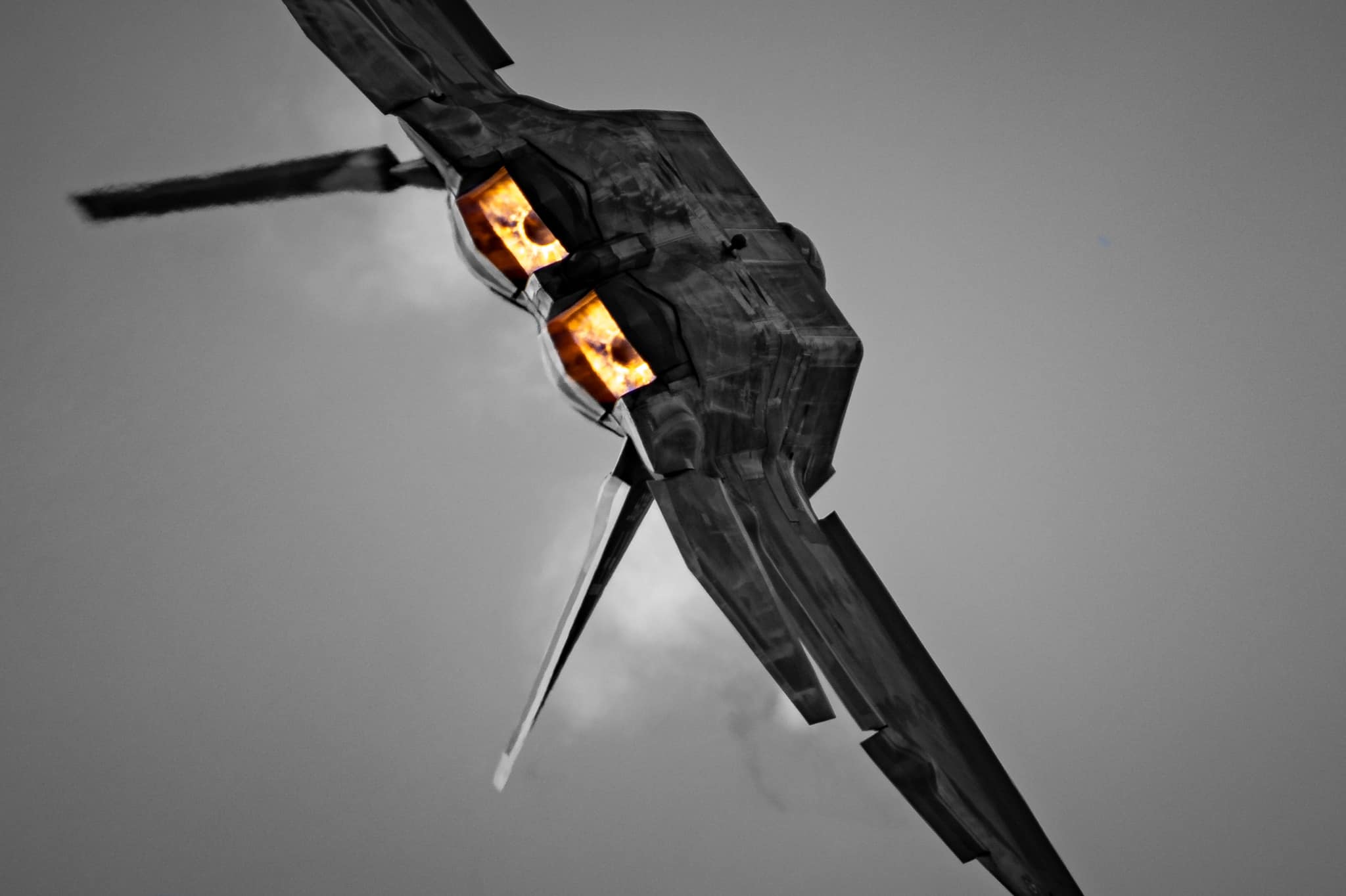
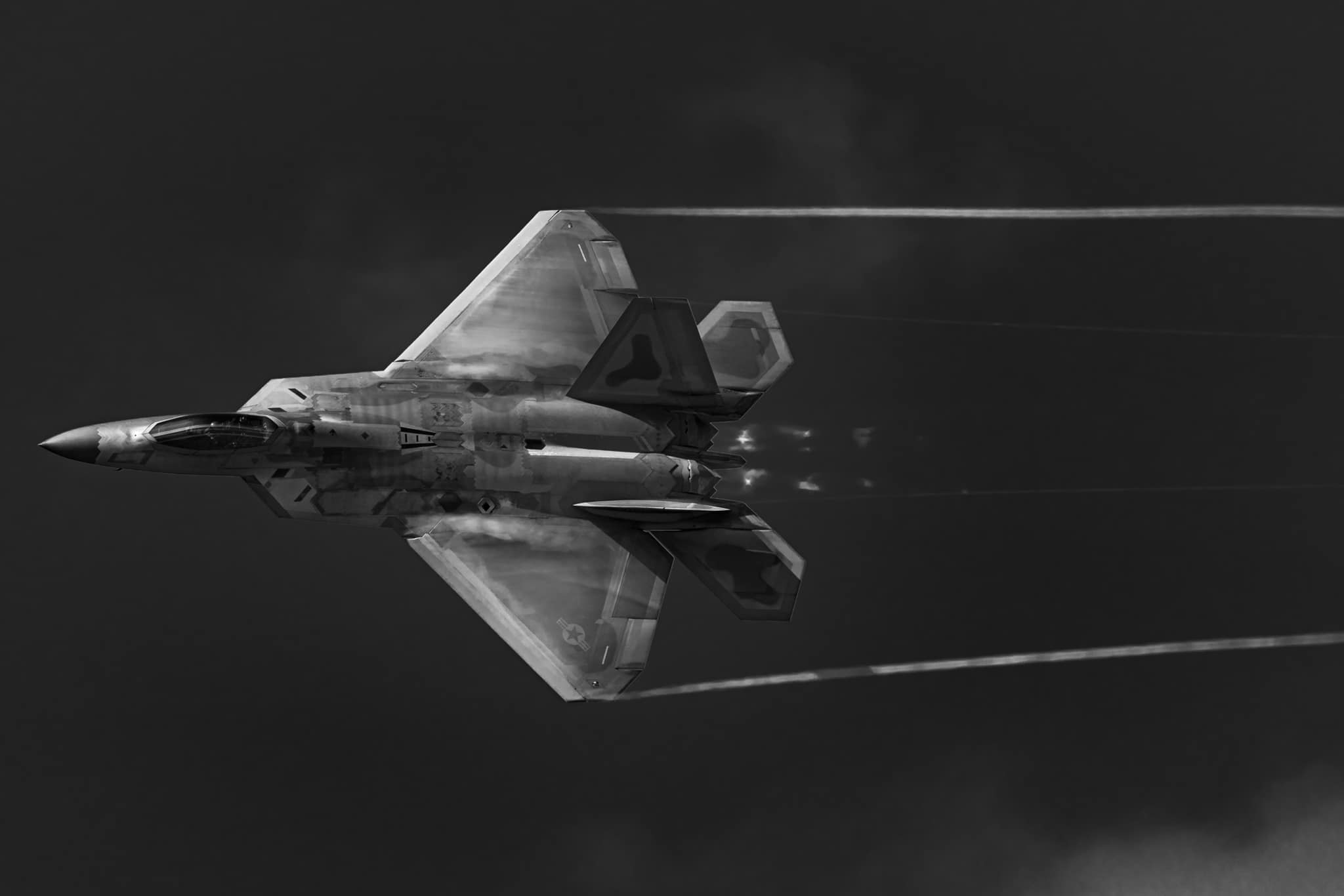
Supercruise: a real advantage, not a marketing line
Official materials emphasize the jet’s ability to cruise supersonically without afterburner. In certain mission profiles, that translates into faster repositioning with less fuel penalty and a smaller thermal signature than continuous afterburner use.
Key figures (as stated in official references)
The F-22 uses two engines and is listed with a service ceiling above 50,000 ft. Ferry range is stated as 1,850+ miles with two external wing tanks. Standard loadouts emphasize internal carriage for air-to-air and strike configurations, preserving low observability.
The small-fleet problem
Production ended with a limited total buy, which makes every upgrade cycle, depot event, and budget decision disproportionately impactful. With fewer airframes, you can’t effortlessly scale training, deployments, and modernization at the same time.
Block 20: retire or upgrade?
Block 20 jets are primarily used for training and lack key upgrades found on later aircraft. Official oversight reporting highlights that divestment vs. upgrade decisions require rigorous data because the choice can reshape training pipelines and operational availability.
Modernization focus: what’s being improved
Current plans and publications point to upgrades in networking (including two-way Link 16), infrared sensing, and low-drag external tanks to extend range—aimed at preserving the “first-look/first-shot” edge while next-generation systems mature.
Bottom line
The F-22 remains exceptional in its niche, but it’s not a cheat code. Scale, sustainment, and upgrade cadence determine whether cutting-edge tech becomes lasting combat power.