

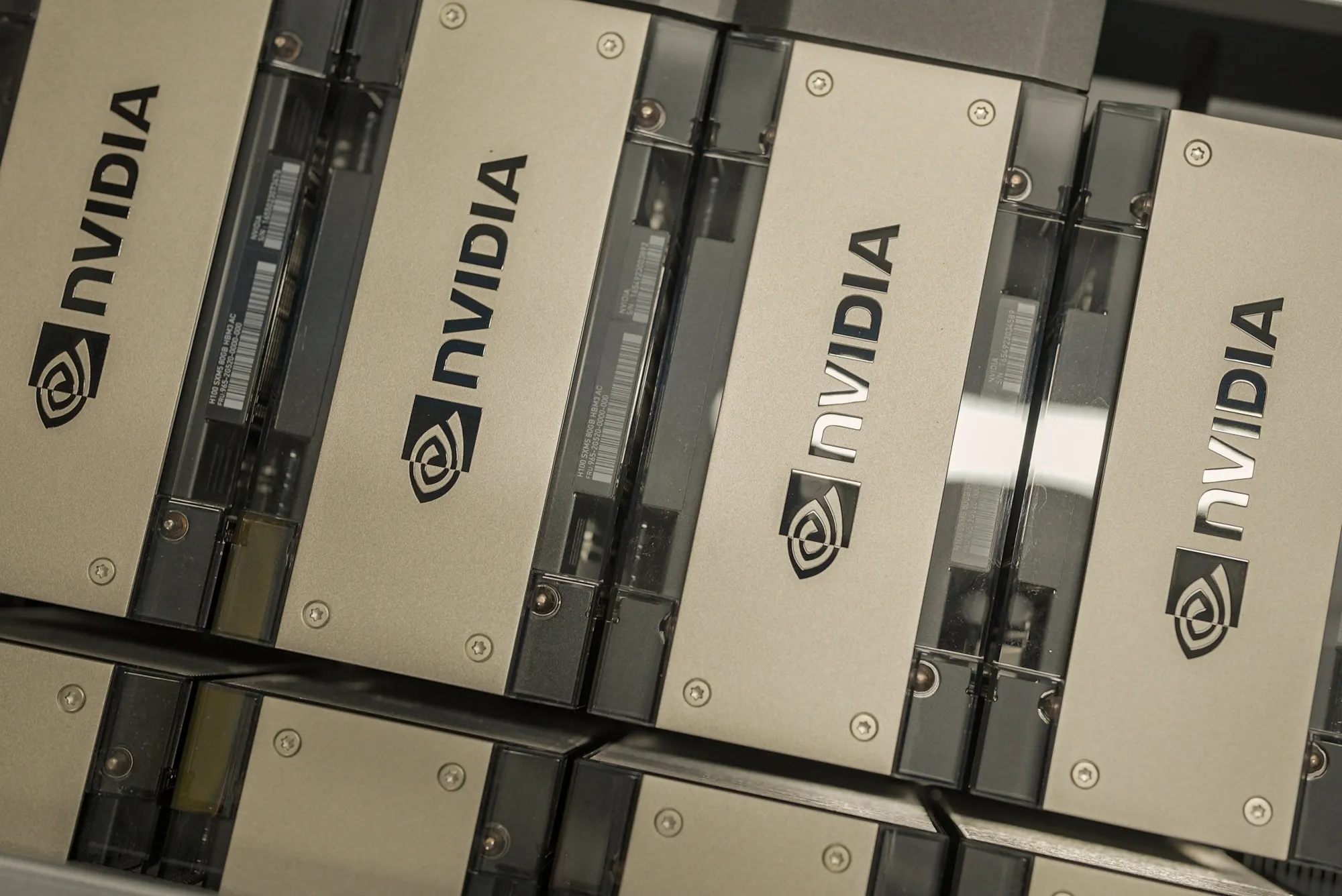

Singapore is currently investigating whether servers from Dell Technologies Inc. and Super Micro Computer Inc. that were shipped to Malaysia contained Nvidia Corp. chips that are prohibited from being exported to China. This case highlights the significant role of intermediaries in the distribution of high-end semiconductors.
On Monday, Singapore’s law minister provided details about the investigation following reports that local police had arrested several individuals for allegedly procuring and shipping Nvidia chips in violation of US sanctions. These individuals are accused of misleading server suppliers regarding the true end-users of the hardware, which was transported from Singapore to Malaysia. Law Minister K Shanmugam stated that authorities are also looking into whether the servers produced by Dell and Super Micro were subsequently sent to other countries. This investigation brings attention to the involvement of Singapore-based entities in facilitating the transfer of Nvidia chips to China and possibly other countries subject to US restrictions. The inquiry comes shortly after Bloomberg News reported that the US was examining whether the Chinese AI company DeepSeek had bypassed US chip regulations with assistance from third parties in Singapore
. Shanmugam noted that Singapore has reached out to both Malaysia and the US for additional information to ascertain the ultimate destination of the servers. “The question is whether Malaysia was the final destination or if the servers were directed elsewhere, which remains uncertain at this stage,” he explained. Initial findings suggest that the chips within these servers could expose them to US export restrictions. “We assessed that the servers may contain Nvidia chips,” Shanmugam stated, although he refrained from confirming this definitively. Representatives from Dell, Super Micro, and Nvidia have not yet responded to inquiries for comment outside of regular business hours in the US. Nvidia relies on companies like Dell, Super Micro, and Hewlett Packard Enterprise Co. to produce servers that incorporate its highly sought-after AI chips, which are then sold either directly or through intermediaries to data center operators worldwide. Both Super Micro and Dell have previously faced scrutiny regarding their roles in the potential export of Nvidia chips subject to US controls to China. In December, it was reported that Nvidia had requested these companies to audit their customers in Southeast Asia to ensure they still held the Nvidia-powered servers they had purchased, according to a source familiar with the US Department of Commerce. While Shanmugam didn’t directly connect the investigation to DeepSeek or any specific Chinese buyers due to its ongoing nature, he emphasized that the case is not directly linked to US export controls. He clarified that the fraud investigation is an independent effort by Singapore, initiated after receiving an anonymous tip, rather than a request from another country.
For years, Washington has been attempting to restrict China’s access to controlled technologies through third countries, recently expanding semiconductor trade restrictions to include most of the globe. The latest rules, currently under review by the Trump administration, impose maximum thresholds on AI computing power exports to regions ranging from Southeast Asia to the Middle East, where US officials are concerned about China’s growing influence. Initial indications suggest that the Trump administration may intensify these efforts. Commerce Secretary Howard Lutnick indicated that Chinese AI startup DeepSeek may have evaded US export controls to develop its R1 model and promised a “very strong” response. Reports from Bloomberg have stated that officials are investigating whether DeepSeek obtained advanced Nvidia chips via Singapore-based third parties.
A senior official from Singapore mentioned last month that shipments of Nvidia chips to the country accounted for less than 1% of the company’s revenue, despite the fact that Nvidia reported more than 20% of its sales to clients in Singapore.