

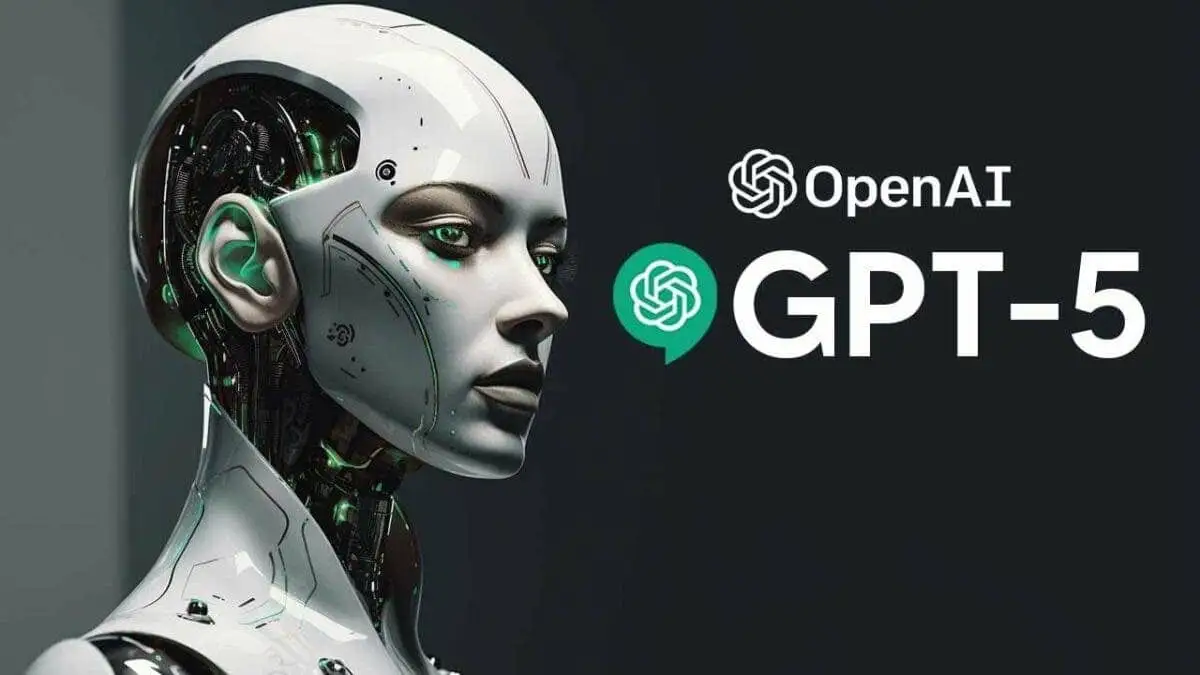

After effectively canceling the consumer launch of its o3 reasoning model in February, OpenAI has announced plans to release both the o3 model and its next-generation successor, o4-mini, within the next few weeks. In a post on X, OpenAI CEO Sam Altman explained that this change in direction is tied to the development of their upcoming GPT-5 model, which is planned to be a unified system with enhanced reasoning abilities.
Altman remarked, “[W]e are going to be able to make GPT-5 much better than we originally thought,” and acknowledged that integrating various features has proven more challenging than anticipated. He emphasized the need for sufficient capacity to handle what they expect to be extraordinary demand.
OpenAI now projects that GPT-5 will be released “in a few months,” which is later than initially expected. To the extent that details about GPT-5 have been shared, the company plans to provide unlimited chat access at a standard intelligence level, with ChatGPT Plus customers able to access a higher level of intelligence. Those subscribed to OpenAI’s ChatGPT Pro plan will have access to an even more advanced intelligence level.
Earlier this year, Altman mentioned in an X post that GPT-5 will incorporate features like voice interaction, Canvas, search capabilities, deep research, and more. He noted that a primary objective is to unify OpenAI’s models to create systems that can utilize all available tools, understand when to process information in-depth, and be broadly applicable across a variety of tasks.
As competition intensifies, particularly from rivals like the Chinese AI lab DeepSeek, OpenAI is facing pressure due to these competitors adopting an “open” model approach. Unlike OpenAI’s more controlled strategy, these “open” rivals are making their AI models available for community experimentation and commercialization.
Beyond the o3 and o4-mini models, along with an “o3 pro,” OpenAI plans to unveil its first open language model since GPT-2 in the coming months. Altman noted that this new model will feature reasoning capabilities and undergo additional safety evaluations.