
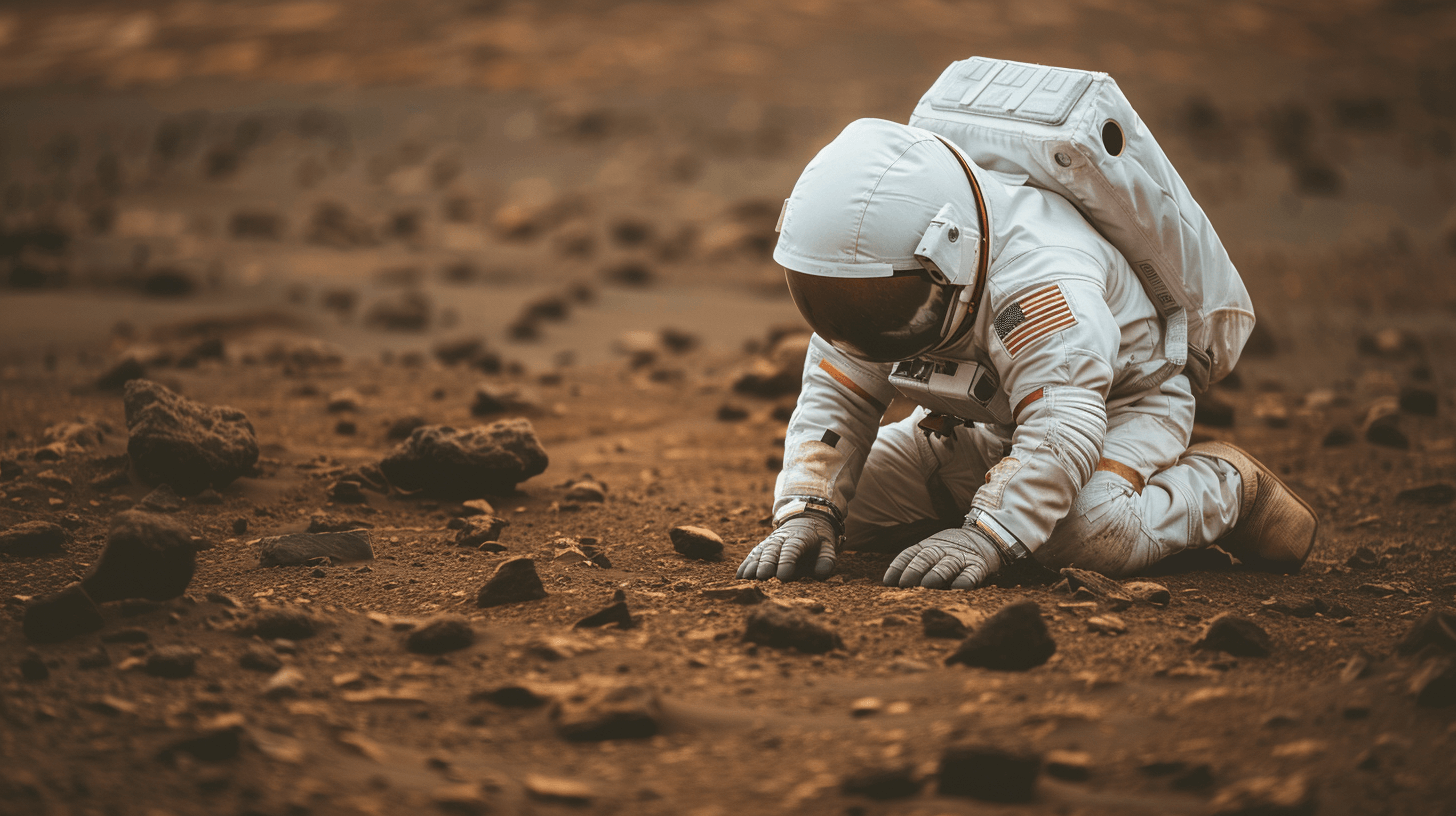
NASA and Google have teamed up to create an artificial intelligence-powered medical aide for astronauts venturing toward Mars, called the Crew Medical Officer Digital Assistant (CMO‑DA). This multimodal system—capable of interpreting speech, text, and visuals via Google’s Vertex AI platform—is being designed to fill the gaps when Earth-based doctors are unreachable due to signal delays or interruptions. In early trials simulating common scenarios like ankle injuries, ear pain, and flank discomfort, the CMO‑DA achieved diagnostic accuracy ranging from 74% to 88%, based on evaluations by physicians and even an astronaut. Built to adapt to spaceFflight conditions, it’s intended to grow more “situationally aware” as it gains access to real-time medical instruments and environmental data. Beyond serving Mars missions, the project carries terrestrial promise: it could one day support health care in remote regions. Still, challenges remain—especially ensuring accuracy in microgravity, protecting astronaut data privacy, and minimizing AI-generated errors. As NASA pushes toward more autonomous crew health solutions, Google’s computational power strengthens the path forward.

Friday, June 12, 2026
LIVE
 sadaf
sadaf
NASA and Google Create AI Doctor for Mars-Bound Astronauts
NASA and Google have teamed up to create an artificial intelligence-powered medical aide for astronauts venturing toward Mars, called the Crew Medical Officer Digital Assistant (CMO‑DA). This multimodal system—capable of interpreting speech, text, and visuals via Google’s Vertex AI platform—is being designed to fill the gaps when Earth-based doctors are unreachable due to signal delays […]
- Trending
- Comments
- Latest









ITDAY is a technology-focused platform covering the latest tech trends, news, and innovations in the worldwide. It likely provides articles, reviews, and insights on advancements in the tech industry.