

Xiaomi 17T Pro Refines a Proven Formula
The Xiaomi 17T Pro does not appear to be a radical redesign at first glance. Instead, it looks like a carefully refined successor that builds on the strengths of the previous generation. Yet these targeted upgrades are exactly what push the device beyond the limits of a typical premium mid-range phone. Xiaomi has focused on a stronger chipset, a larger battery, faster charging, a high-quality display and a periscope telephoto camera, making the Xiaomi 17T Pro one of the more compelling high-performance Android phones in its class.
In many ways, the phone continues the legacy of the Xiaomi 15T Pro. It keeps the familiar overall design, the large OLED display and the powerful camera arrangement, but now combines them with MediaTek’s new flagship processor, a 7,000mAh battery and HyperOS 3 based on Android 16. The result is a device that aims to deliver a more complete, longer-lasting and more mature user experience.
Design and Build Quality: Familiar, Stronger and Slightly Heavier
From a design perspective, the Xiaomi 17T Pro does not introduce a major visual departure from its predecessor. It continues the design language of Xiaomi’s T Pro series, with dimensions of 162.2 x 77.5 x 8.25mm and a weight of 219 grams. That makes it slightly heavier than the previous generation, although the increase is understandable given the significantly larger battery inside.
In terms of build quality, Xiaomi uses Gorilla Glass 7 on both the front and back panels, while the frame is made of aluminum. This combination gives the phone a more premium feel compared with models that rely on simpler materials for the rear panel. The device also keeps its IP68 rating, allowing it to withstand water exposure at a depth of up to three meters for 30 minutes. For professional users and those who care about durability, this remains an important strength.
6.83-Inch OLED Display: Bright, Smooth and Built for Content
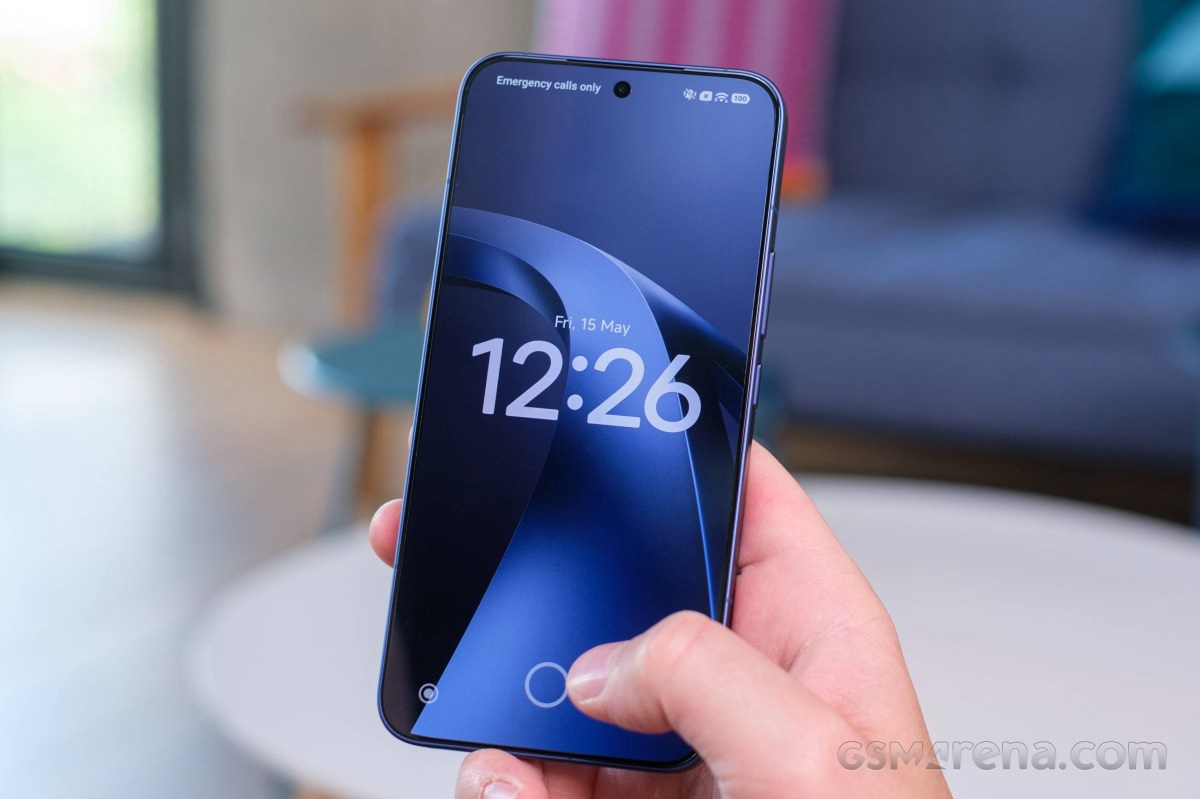
The display is one of the areas where Xiaomi has chosen to preserve a successful formula. The Xiaomi 17T Pro features a 6.83-inch AMOLED panel with a resolution of 1280 x 2772 pixels, a 144Hz refresh rate, Dolby Vision support and HDR10+ compatibility. With a pixel density of 447ppi, text, images and video content appear sharp and detailed.
One of the most important display features is 3840Hz PWM dimming, which can be especially valuable for users who are sensitive to screen flicker. According to review data, the display can exceed 1,000 nits in automatic mode across a large white area and approach around 3,500 nits in smaller HDR windows. This suggests that the panel should perform strongly outdoors and deliver an impressive HDR viewing experience.
Dimensity 9500: A Major Leap in Processing Power
The most important hardware upgrade in the Xiaomi 17T Pro is the move to the MediaTek Dimensity 9500. This flagship-class chipset for 2026 offers a significant performance leap over the previous generation and is far more powerful than the Dimensity 8500 used in the standard Xiaomi 17T. Built on a 3nm manufacturing process, the chip is designed for demanding tasks such as gaming, advanced video recording, heavy multitasking and long-term performance stability.
Xiaomi offers the phone in several memory configurations: 256GB with 12GB of RAM, 512GB with 12GB of RAM and 1TB with 12GB of RAM. The internal storage uses UFS 4.1, which should provide fast app loading, file transfers and gaming performance. This hardware combination makes the 17T Pro a suitable option for power users, gamers and anyone planning to keep their phone for several years.
7,000mAh Battery: The Biggest Real Upgrade
Battery life is one of the areas where the Xiaomi 17T Pro delivers its most meaningful improvement. The phone now features a 7,000mAh battery, an unusually large capacity for a device with this design and feature set. In GSMArena’s testing, the battery reportedly achieved an active-use score of 21 hours and 41 minutes, which marks a major improvement over the previous generation and many competing phones.
Wired charging has also been upgraded from 90W to 100W, while 50W wireless charging remains available. The phone also supports 22.5W reverse wired charging, making it useful for charging accessories or other devices in emergency situations. Xiaomi has also included long-term battery protection options, including an 80 percent charge limit and smart charging features.
Cameras: A Familiar Setup with a Strong Telephoto Advantage
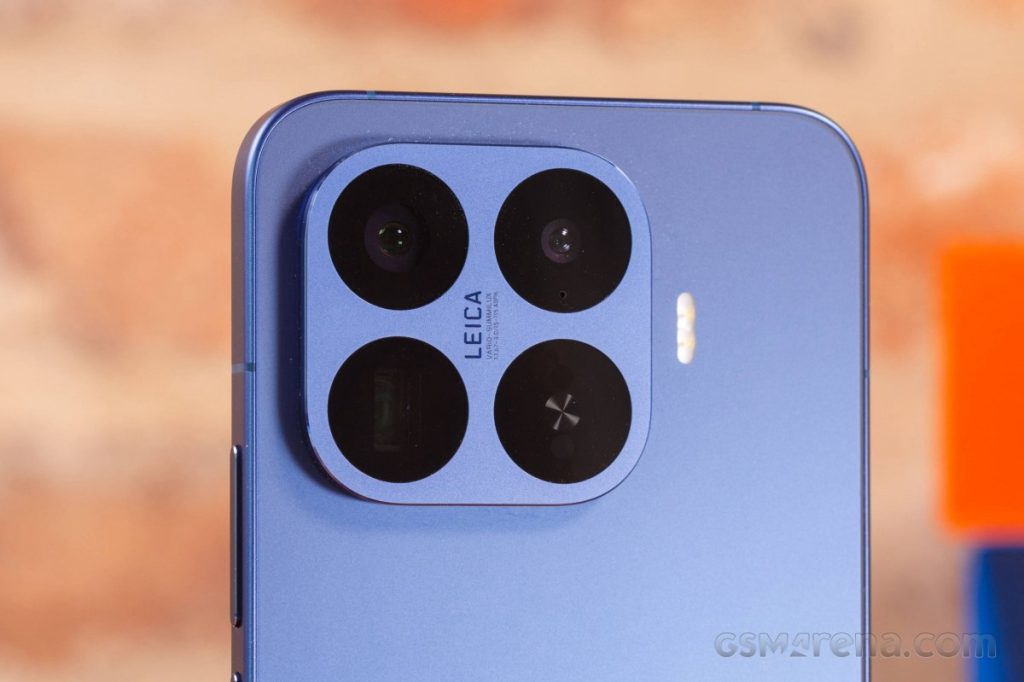
The Xiaomi 17T Pro’s camera hardware is similar to the previous generation, but it remains one of the phone’s key strengths. The main camera uses a 50MP Light Fusion 950 sensor, reportedly related to the OmniVision OVX950 or a close variant. This large 1/1.3-inch sensor is paired with optical image stabilization and a 23mm-equivalent lens with an f/1.67 aperture.
The second camera is a 50MP periscope telephoto unit with 5x optical zoom, optical image stabilization and a 115mm-equivalent focal length. This gives the 17T Pro more flexibility than many competitors in portrait photography, zoom shots and distant subjects. The ultrawide camera is a 12MP sensor with a 120-degree field of view, although Xiaomi appears to have intentionally kept it below the level of the main and telephoto cameras to preserve a gap between this model and full flagship devices.
Video Recording: 8K and Advanced Options for Serious Users
In video recording, the Xiaomi 17T Pro offers a strong feature set. The main camera can record at 8K resolution at 30fps, while 4K recording at 30fps, 60fps and 120fps is also available. Support for 10-bit video, HDR10+ and electronic stabilization makes the phone a serious option for content creators.
The 32MP selfie camera can also record 4K video at 30fps. This is important for vloggers, high-quality video calls and social media creators. However, real-world performance in difficult lighting and at higher zoom levels will still depend heavily on Xiaomi’s image processing.
HyperOS 3 and Android 16: New Software with Long-Term Support
The Xiaomi 17T Pro ships with HyperOS 3 based on Android 16. Xiaomi promises five major operating system upgrades and six years of security updates, which is an important advantage for users who plan to keep their device for a long time.
Visually, HyperOS 3 appears more polished than HyperOS 2, though its changes are not revolutionary. One of the notable new features is Super Island, a function that closely resembles Apple’s Dynamic Island and is used to display information, notifications and quick interactions with certain activities. This feature could make the software experience feel more modern, although its success will depend on app support and smooth implementation.
Stereo Speakers: Loud, But Not the Best in Class
The Xiaomi 17T Pro uses hybrid stereo speakers, meaning the top speaker also functions as the earpiece, while the bottom speaker provides a fuller and louder output. In loudness testing, the phone achieved a “very good” score of -25.6 LUFS.
However, sound quality is not flawless. Review data suggests that Xiaomi has changed the tuning compared with last year’s model. In some tracks, bass may feel less powerful, and at higher volumes, treble frequencies can become somewhat sharp. Rivals such as the Galaxy S25 FE and OnePlus 15 may offer warmer and more balanced audio quality overall.
Similarity to Poco X8 Pro Max and Poco F8 Ultra
One interesting point about the Xiaomi 17T Pro is its similarity to models such as the Poco X8 Pro Max and Poco F8 Ultra. These devices share several hardware and design characteristics with the 17T Pro and may act as internal alternatives within Xiaomi’s broader ecosystem.
For users, this can be both positive and confusing. On one hand, it creates more options across different price ranges. On the other hand, it makes choosing between Xiaomi and Poco models more complicated. In this situation, final pricing, camera quality, software support and charging features will play a decisive role in the buying decision.
Conclusion: A Powerful Phone That Evolves Rather Than Reinvents
The Xiaomi 17T Pro should be viewed as a calculated upgrade rather than a complete reinvention. It keeps the familiar design and successful display formula of the previous generation, but improves the overall package with the Dimensity 9500 chipset, a 7,000mAh battery, 100W charging, HyperOS 3, a powerful main camera and a 5x periscope telephoto lens.
Its weaknesses are also clear. The ultrawide camera does not appear to match the quality of the main and telephoto cameras, the speakers are not class-leading and the 144Hz refresh rate may not always behave as expected in every situation. Even so, if Xiaomi prices the device competitively, the Xiaomi 17T Pro could become one of the most attractive semi-flagship Android phones on the market.