

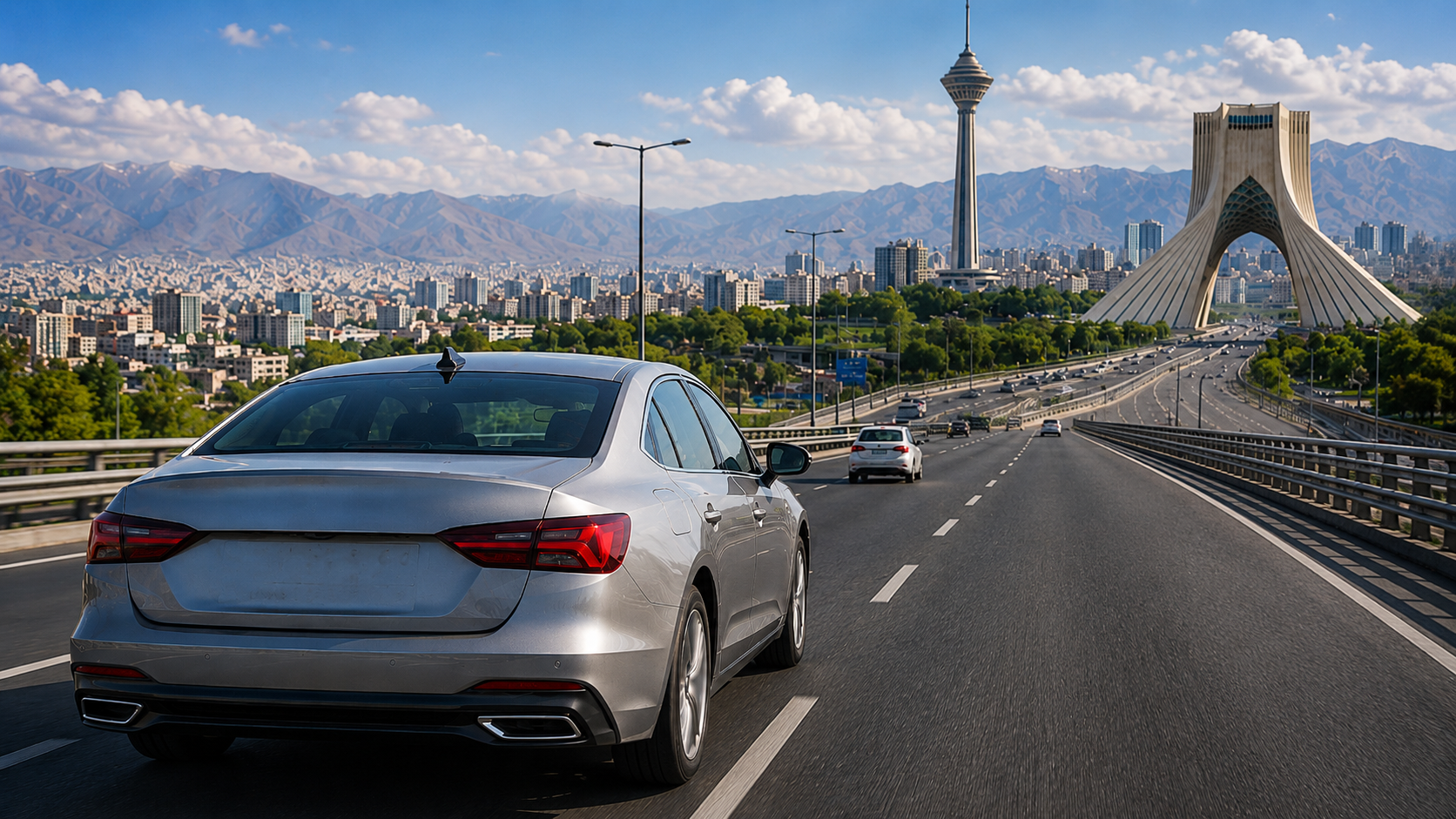

Free Zone Vehicles Are Now Allowed to Travel Across Iran
According to an announcement attributed to Iran’s Traffic Police, vehicles registered in the country’s free trade zones are now allowed to travel across Iran. The decision applies to cars carrying free zone license plates, including those from Arvand, Aras, Kish, Qeshm, Chabahar and Maku. Based on the published notice, these vehicles may travel on both urban and intercity roads until further notice.
The announcement marks an important temporary easing of previous restrictions. In the past, the movement of free zone vehicles was usually limited by geography and time, and owners often needed special permits to drive outside designated areas. Under the new decision, these restrictions have been relaxed until conditions return to normal and a new official decision is announced.
Which Vehicles Are Covered by the Decision?
The decision applies to vehicles with official free zone license plates. These include cars registered under plates such as Arvand, Aras, Kish, Qeshm, Chabahar and Maku. Such plates are usually assigned to vehicles registered within Iran’s free trade zones, where vehicle registration and movement rules differ from those applied to nationally registered vehicles.
This change could be significant for owners of free zone cars, as previous restrictions often limited their ability to use these vehicles outside their registered areas. With the new announcement, at least for the current period, these owners will have broader access to roads across the country without the same level of geographic limitation.
The Permit Is Valid Until Further Notice
One of the most important phrases in the announcement is “until further notice.” This means that the nationwide movement of free zone vehicles has not been introduced as a permanent rule. Instead, it will remain valid only until a new notice is issued by the Traffic Police or relevant authorities.
According to the published information, the permission will remain in effect until conditions normalize and a new decision is announced. Therefore, any future change, including the return of restrictions or the introduction of new conditions, must be communicated through official channels.
Why This Matters for Car Owners and the Vehicle Market
The temporary authorization could have notable implications for both vehicle owners and the broader car market. On one hand, owners of free zone vehicles will be able to use their cars more widely across Iran. On the other hand, the decision may influence market perception of free zone cars, at least in the short term.
However, because the decision has been announced as temporary, it should not be interpreted as a permanent change in import rules, customs regulations, national registration procedures or license plate conversion policies. The announcement refers specifically to travel permission and does not necessarily change the legal ownership, customs or national registration status of these vehicles.
A Temporary Measure, Not a Permanent Legal Change
The distinction between temporary travel permission and permanent regulatory reform is important. Free zone vehicles have long operated under separate rules from nationally plated cars, and their use outside free zone areas has typically been subject to limitations. The new announcement eases movement for now, but it does not automatically mean that these vehicles have received the same status as nationally registered cars.
For this reason, owners should avoid making long-term assumptions based only on the current notice. While the decision improves short-term mobility, future restrictions may return depending on official assessments and new policy decisions.
Conclusion: Nationwide Access, But Owners Should Follow Official Updates
According to the announcement from Iran’s Traffic Police, vehicles registered in free zones such as Arvand, Aras, Kish, Qeshm, Chabahar and Maku are currently allowed to travel across the country. This includes both urban and intercity routes and will remain valid until further notice.
Despite the importance of the decision, owners of free zone vehicles should remember that this is not yet a permanent change. The authorization depends on future announcements by the relevant authorities. Therefore, following official updates is essential to avoid possible legal or traffic-related problems if the rules change again.